
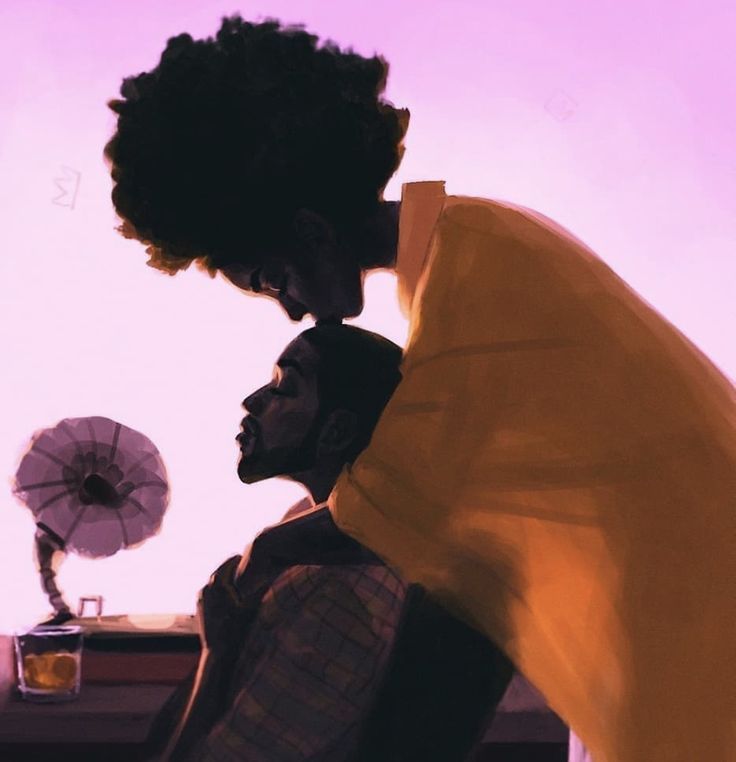
Obinna had imagined himself generous when he said it.
They were seated at the small secondhand crystal table they bought in their first year of marriage. The glass was scratched. Chika used to joke that they should replace it now that they could afford better. He always said no. It had survived with them. He liked that.
“I want us to open our marriage,” he said. “What do you think?”
She didn’t look up immediately. She was spreading butter carefully over a cabin biscuit – slow, deliberate, even.
“Why?” she asked. “What gave you the idea?”
She settled into the chair opposite him and slid a plate of buttered biscuits and a cup of tea toward him.
“I’ve been thinking about it for a while. It might… spice things up. Maybe just for a specific time.” He lifted his cup and watched her over the rim. “You know I wouldn’t go behind your back.”
There it was. Virtue disguised as warning.
She met his eyes. “So I can see other people too?”
He hesitated. Barely. “Yeah. If that’s what you want.”
During their second year, they had fought about something small. A colleague who texted him late at night. She hadn’t accused him. She had only asked why he smiled at his phone and wouldn’t explain.
He had called her insecure.
She had said quietly, “I just want to feel like I’m enough for you.”
He walked out before she finished.
They never returned to it.
Now she said, “Okay. Let’s do it.”
He had meant leverage.
She heard liberation.
“That’s settled then,” he said lightly.
“Fine.”
Fine.
The word lodged in his throat.
“Are you upset?”
“Upset about what?”
Even as she said it, something inside her stung. Not because he wanted other women. That hurt too. But the deeper sting was this: he wanted proof she would fight to keep him. And she was tired of fighting to be chosen.
The possibility of not carrying loyalty like fragile porcelain felt like air in her lungs. She hadn’t realised she’d been suffocating.
Later that night, lying beside him, she stared at the ceiling.
This is the beginning of the end of what we were.
Beneath the grief was relief.
The relief made her feel disloyal.
And she knew disloyalty was the one thing that undid him.
He watched her over the next few days. Waiting for the crack.
Conflict used to tighten her shoulders. Used to sharpen her tone.
Instead, she danced.
One afternoon, he came home early and found her barefoot in front of the mirror, braids loose, hips moving without restraint. Music loud. Her ideas book lay open on the bed – arrows, bold handwriting, colourful sticky notes blooming from the pages.
“Planning something?” he asked from the doorway.
“Maybe.” She didn’t stop moving. “I’ve been feeling inspired.”
“Sounds dangerous.”
“Only if you’re scared.”
He swallowed.
He had grown up watching a man who wasn’t scared.
His father married a woman who already had a child. Loved her fiercely. Proudly. Even when she strayed. Even when whispers travelled down their street. Even when she came home carrying another man’s cologne in the air around her.
His father never shouted.
He folded.
Each year, a little smaller. A little quieter. Until one morning he stopped coming to dinner. Then stopped coming home every night. When he did sit at the table, he stared through everyone like he was already somewhere else.
Love without control had hollowed him.
Obinna learned early: never love in a way that leaves you at someone else’s mercy.
And yet here he was.
Needing mercy.
He created the fake profile.
Not to cheat. To test.
To feel wanted without risking rejection.
When they matched, something electric moved through him.
Her username was different. Her photos false.
But her language – precise, observant -unsettled him.
Him: I didn’t know people still listened to music for the lyrics.
Her: Words matter. When they’re meant.
Him: They can also be strategic.
Her: Is that how you love?
He stared at the screen for a long time.
Him: Sometimes control feels safer than honesty.
Her: Safer from what?
He didn’t answer.
At home, she grew spacious. Not cold. Just no longer orbiting him.
He hadn’t anticipated how loud the silence would be.
One night, he stood outside the bathroom door, ear pressed lightly against it.
Water running. Nothing else.
He pushed the door open.
“Everything okay?”
She met his eyes in the mirror. Toothbrush in her mouth. Foam at the corner of her lips.
“Everything’s fine. Why?”
“You’re different.”
She rinsed slowly. “Am I? Why do you say that?”
“I don’t know…”
That frightened him more than anything.
One rainy evening , he sent a voice note.
The moment it played, she knew.
The drag on certain vowels. The pause before vulnerability. The careful laugh.
She was grateful she had insisted on mostly texting.
At first, she was furious.
Then she laughed.
Cheating with her husband.
Getting to know him without his armour.
She responded with text instead of a voice note. The mischief thrilled her.
But later, alone in bed, staring at the dark ceiling, another thought settled in her chest.
If he can fall for me as someone else, what does that say about who I’ve been to him?
The terror wasn’t that he would leave.
It was that he could stay — and still not see her.
They agreed to meet at a café far from home.
He arrived twenty minutes early. Wrapped his trembling hands around a cup of coffee he didn’t want. The heat steadied him.
When she didn’t respond to his last text, a flash of panic hit him. Catfished. Humiliated. Exposed.
His pride wouldn’t let him leave.
Besides, something about her – the way she didn’t require explanations – made him want to surrender control.
His knee bounced under the table.
His phone buzzed.
I’m here.
When she walked in, his breath left him. He stood too quickly. The chair scraped. The cup tipped. Coffee spilled across the table and dripped onto the floor.
She didn’t flinch.
She grabbed paper towels from the counter and scattered them on the table.
He looked up at her.
“I didn’t mean it,” he said.
“I know.”
Silence stretched between them.
“I liked him,” she said.
He flinched.
“I liked how he spoke when he didn’t have to be in control.”
He looked down at his shaking hands.
“I was scared,” he admitted. “If you could leave… I thought I needed to leave first. Or at least make it look like I could.”
She held his gaze.
“Did you ever think about how this would really really affect me? Or was it only ever about my reaction to you?”
He had no answer.
“You’ve always been afraid of being replaceable,” she said softly.
The café hummed around them.
He felt it then – the terror of it.
If she walked away, the world would continue. The chair would be filled. The space he occupied in her life would close like water.
As if he had never been there.
“I don’t know how to love without strategy,” he said.
“I don’t want to be loved like a negotiation.”
He reached for her hand.
Stopped midway.
Devoid of script or leverage.
Just fear.
They left the café side by side.
Close enough to touch.
Careful not to.
For the first time in his life, he did not know how to control the outcome.
And for the first time, he let himself feel how much that terrified him.
Meestique.
_The Empathic Social Observer.

 The Empathic Social Observer